FCB Ti7 launched in Thailand under BYD Brand, not Denza

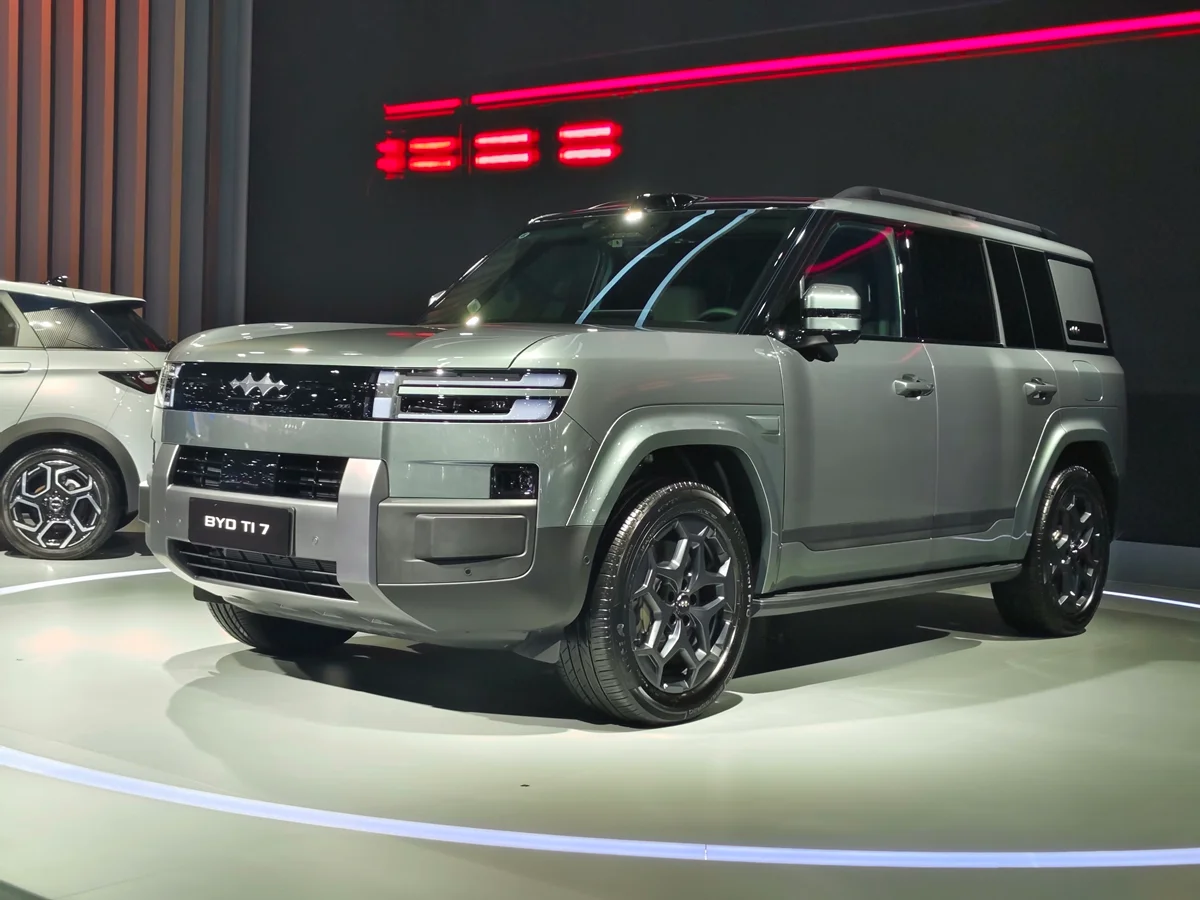
When BYD debuted the Ti7 in Thailand under its main brand badge instead of Denza, it clarified something I'd been watching closely: not all Fangchengbao vehicles will wear the Denza name overseas.
This matters more than it seems.
Fangchengbao is BYD's dedicated off-road brand in China, but that name stays in China. When these vehicles go global, BYD splits them between its mainstream badge and the premium Denza brand based on two factors: price point and target demographic.
Made for the Mainstream
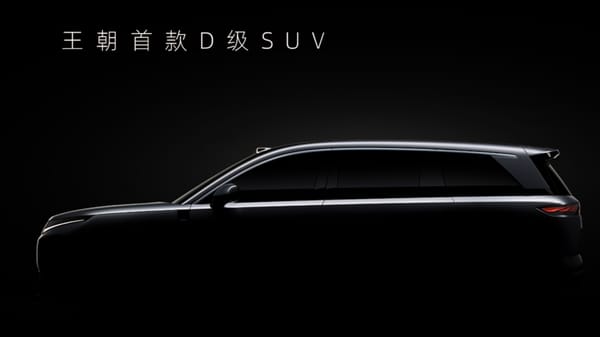
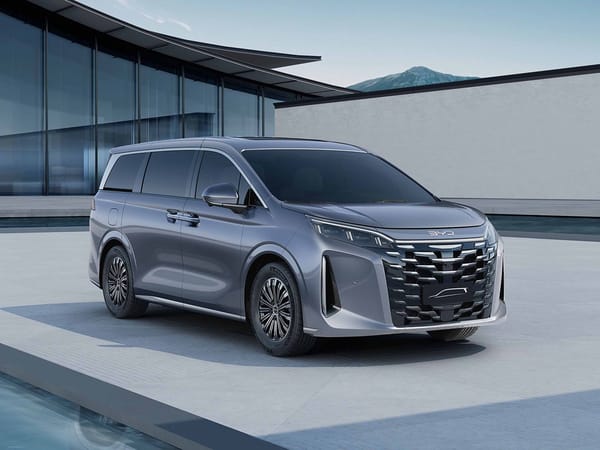
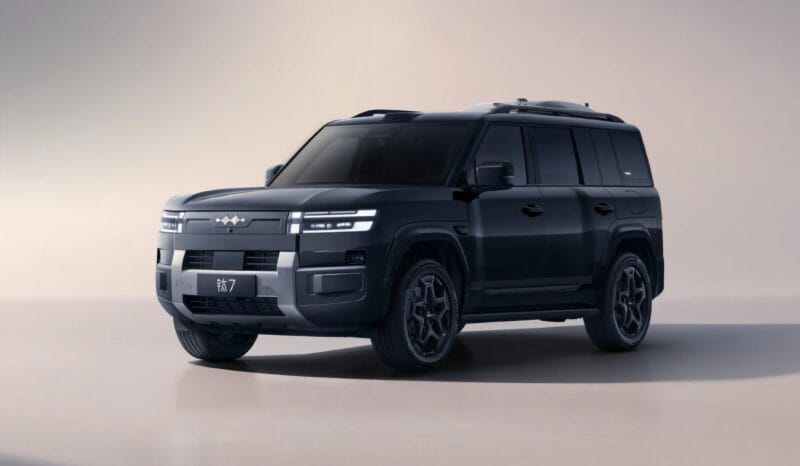
The Ti7 is expected to be the mainstream varaint of the Denza N9, or newly released Denza N8L, as the Ti7 shares similar dimensions to these 2 Denza large SUVs.
But there are substantial mechanical differences between the Ti7 and it's Denza counterparts that justify the premium positioning of the Denza products.
The Denza N9 features Disus-A air suspension while the Ti7 runs standard coil springs with Disus-C intelligent damping. The N9 gets four-wheel steering. The Ti7 doesn't.
In China, the Ti7 achieved over 50,000 sales in just 80 days, becoming one of the fastest-rising plug-in hybrid SUVs in the market. That kind of momentum doesn't happen by accident.
The pricing tells the real story. The Ti7 starts at 179,800 yuan (approximately $25,200 USD) in China. While the Denza N9 commands between $85,000-$100,000 when converted to Australian dollars.
That's not a trim level difference. That's a completely different buyer.
Who These Vehicles Actually Target
Denza isn't competing with Toyota. It's targeting buyers who would typically consider a Mercedes or Land Rover.
The Ti7 aims at mainstream family SUV buyers. The Denza N9 targets buyers who want more from their vehicle, buyers who prioritize advanced technology and premium features over value positioning.
The question isn't whether the suspension and steering technology gap justifies the price difference. The question is whether Australian buyers will accept a Chinese brand at that premium level.
It remains to be seen if the market is ready. But if any brand can pull this off, it's BYD.
Why BYD Has The Best Shot
BYD has something most Chinese brands lack in Australia: brand recognition and a perception of quality.
The numbers back this up. BYD's year-to-date sales increased 148 percent compared to last year, with the brand targeting 55,000 units in 2025. In June 2025, BYD became the first Chinese brand to crack a top five sales result in Australia, achieving a 6.4 percent market share.
The brand currently operates 104 showrooms across Australia and plans to expand to around 150 outlets by the end of 2026.
That infrastructure matters when you're introducing vehicles across multiple price segments.
Thailand As The Testing Ground
Thailand isn't just another market launch. It's a strategic proving ground for right-hand drive markets.
BYD's Thailand factory began producing the Dolphin on July 4, 2024, with an annual capacity of 150,000 units. The facility already shipped over 900 Dolphin EVs to Europe, including the UK, Germany, and Belgium.
More telling: BYD surpassed Toyota in vehicle bookings at the 2025 Bangkok International Motor Show. That's significant in a market where Toyota has dominated for decades.
When BYD debuts a vehicle in Thailand under its mainstream badge, it's testing market reception in a right-hand drive environment before committing to Australia.
The Australian Timeline
If the Ti7 were to come to Australia, I wouldn't expect it anytime soon.
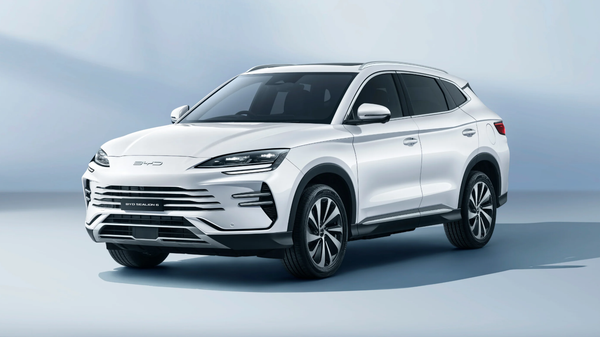
The timing isn't arbitrary. BYD recently launched the Sealion 8, and that vehicle needs to become established before introducing another similar-sized SUV. You don't flood your own lineup with competing products.
Denza will launch in Australia on 8th December, but it won't share showroom space with BYD. The brand architecture demands separation. Denza warrants its own premises and sites to maintain that premium positioning.
This year, Denza expanded to right-hand drive production for the Hong Kong market, making it the first region beyond mainland China to offer Denza vehicles. That manufacturing capability scales easily to supply Australia.
What This Means For The Market
Tesla and BYD currently lead Australia's EV boom with a record 11.3 percent market share as of September 2025. The broader electrified vehicle trend shows market share of hybrid, plug-in hybrid, and battery electric cars exceeded 30 percent for the first time in Q3 2025.
The Ti7 enters a market that's already shifting rapidly toward electrification.
BYD's strategy leverages existing platforms to compete across price segments without cannibalising its own brands. The Ti7 targets mainstream buyers. The Denza N9 targets premium buyers. Different suspension systems, different steering technology, different buyer expectations.
The Thailand launch confirms BYD's willingness to adapt its branding strategy to suit local market conditions. When Fangchengbao vehicles go global, it appears they will split between BYD and Denza based on market positioning, not arbitrary badge decisions.