BYD's Yangwang U7 Gets 150 kWh Battery Pack for 1,006 km Range


BYD's updated Yangwang U7 will carry a 150 kWh battery pack delivering 1,006 km of CLTC range. This makes it the longest-range pure electric vehicle in BYD's entire portfolio.
The 150.01 kWh pack weighs 926 kilograms. Combined with the U7's existing mass, the updated model will tip the scales at approximately 3,290 kg—roughly 900 kg heavier than a BYD Seal before accounting for the larger battery.
Why Yangwang Gets the Longest Range First
The constraint isn't technical capability. BYD has manufactured batteries at scale for years and possesses the ability to build 150 kWh packs.
The constraint is economic.
Packaging a large LFP battery at a price point mainstream buyers can afford remains difficult. The bigger the battery, the higher the raw material cost. At mass-market pricing, every additional kilowatt-hour impacts margins.
The current Yangwang U7 starts at RMB 628,000 ($89,800)—the only Yangwang model priced below RMB 1 million. The updated version with the 150 kWh pack will cost more.
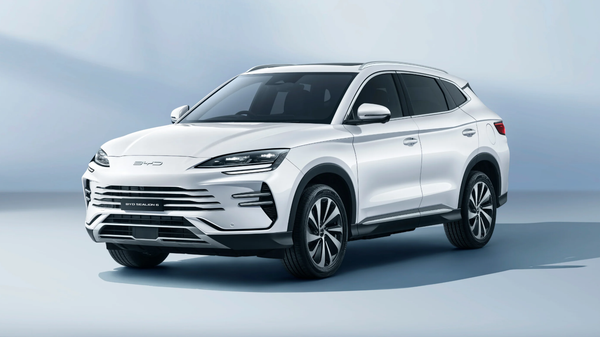
Compare that to the Han L EV and Seal EV, both priced around RMB 200,000 (approximately $30,000 USD). That's a 3x price difference.
Yangwang represents the first brand where the economics work for maximum-capacity deployment. The price point gives BYD room to deploy full capability profitably rather than absorbing margin pressure.
The Engineering Reality Behind 1,006 km
The U7 is a heavy vehicle. The current model weighs 3,095 kg. Adding the upgraded battery pack will contribute an extra 200 kg of mass, give or take.
For context, the Nio 150 kWh battery weighs 575 kg. The weight difference reveals the trade-off between LFP's cost advantages and NCM's energy density. BYD chose scale over energy density—a decision that works when price point supports it.
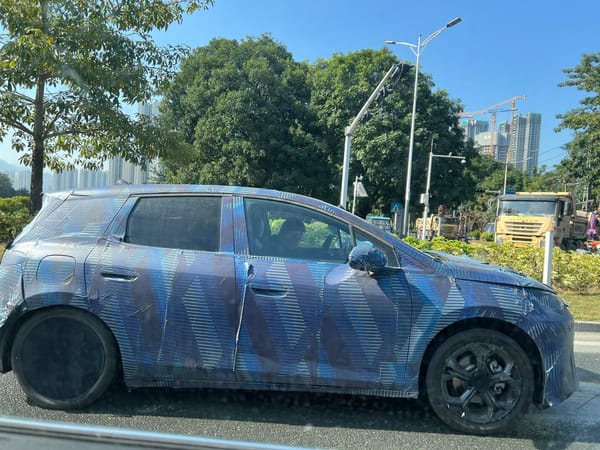
The 926 kg battery pack alone weighs nearly as much as an entire Dacia Spring. Moving that mass efficiently requires BYD's Blade LFP technology at unprecedented scale in a passenger vehicle.
Beyond EV Yangwang U7 Video
Brand Architecture Through Specifications
Yangwang serves as BYD's ultra-premium brand. The company uses it to showcase their highest-capability technology in vehicles positioned above RMB 1 million.
This specification decision creates clear hierarchy within BYD's portfolio. The U7 now outranges the Han EV by over 300 km.
Yangwang validates capabilities that may eventually cascade to volume brands. But only after proving technical and market viability at ultra-premium pricing.
The brand sold 703 vehicles in November 2025, bringing 2025 sales to 4,785 units. The U7 specifically sold 176 units in November, with cumulative sales since launch reaching 1,954 units.
These volumes confirm Yangwang operates as a low-volume technology showcase. BYD can validate expensive specifications without mass-market financial pressure.
What This Signals About BYD's Capabilities
The 150 kWh deployment demonstrates manufacturing capacity BYD hasn't applied elsewhere in their lineup. They've possessed this capability but haven't commercialised it until now.
The competitive signal extends beyond external rivals. This shows BYD can match or exceed any range claim in the Chinese market when they choose to deploy the technology.
The U7 packages more than just battery capacity. It includes BYD's DiPilot 600 advanced driving system with three lidars, DiSus-Z maglev suspension, and the e4 platform with four electric motors delivering approximately 960kW combined.
The vehicle achieves a 0.195 Cd drag coefficient—among the lowest in production sedans.
Yangwang continues to be the proving ground for BYD's maximum technical capability. The specifications established here create a new benchmark for what "ultra-premium" means in the Chinese EV market.
BYD reserved their longest-range capability for a low-volume model where economics support the deployment. That's strategic positioning through specification hierarchy—and it reveals how BYD thinks about brand architecture across their portfolio.