BYD's Market Takeover Signals Industry Power Redistribution

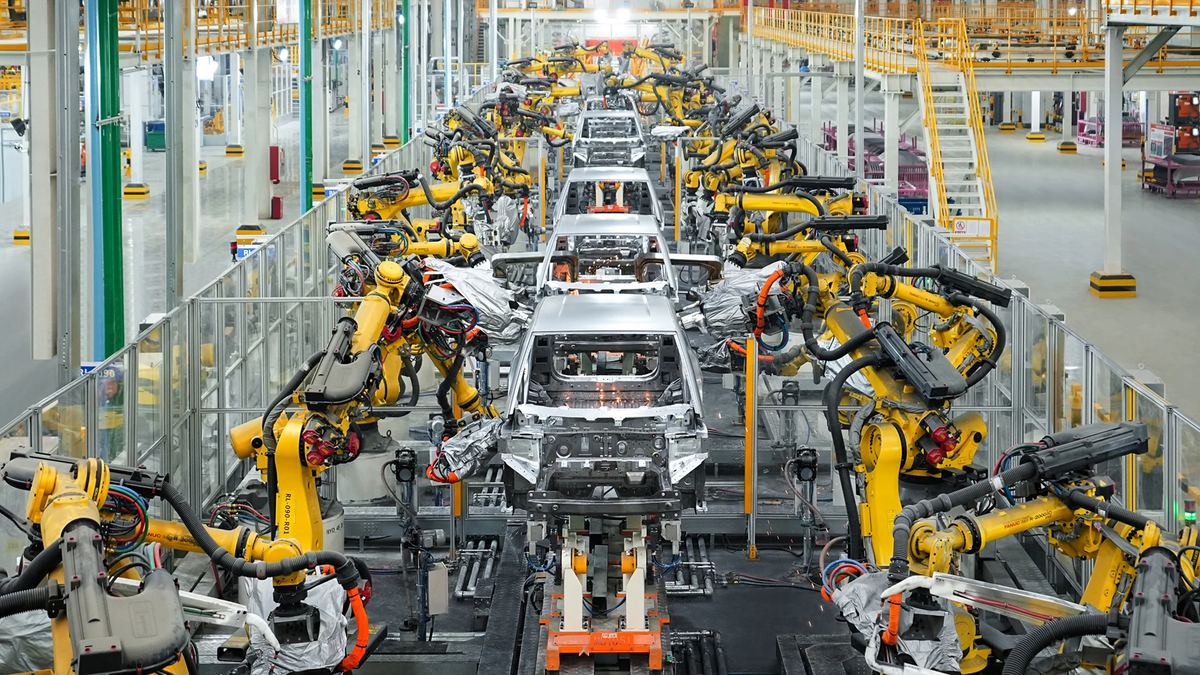
I wasn't surprised when BYD overtook Tesla in Q3 2025. The monthly sales figures had been telling that story for quarters.
What matters isn't the headline. It's what the numbers reveal about how competitive advantage works in battery electric vehicles.
The Vertical Integration Advantage
BYD makes their own batteries. They manufacture their own power semiconductors. They produce their own motors.
Tesla buys approximately 90% of their batteries from suppliers like Panasonic and CATL.
That difference determines everything that follows.
When you control core components internally, you can iterate on hardware almost instantly. You don't wait for external suppliers to redesign products to fit your specifications. BYD demonstrated this advantage during the post-2020 semiconductor shortage, through BYD Semiconductors, they controlled their own chip production while competitors scrambled.
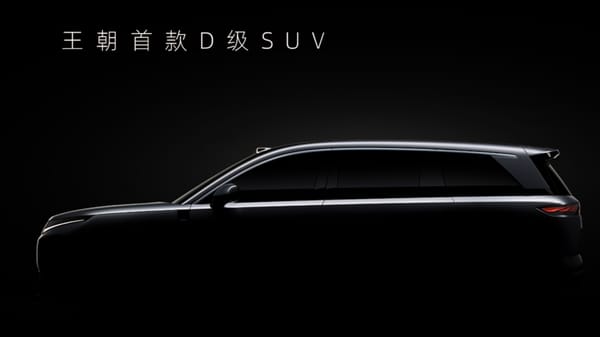
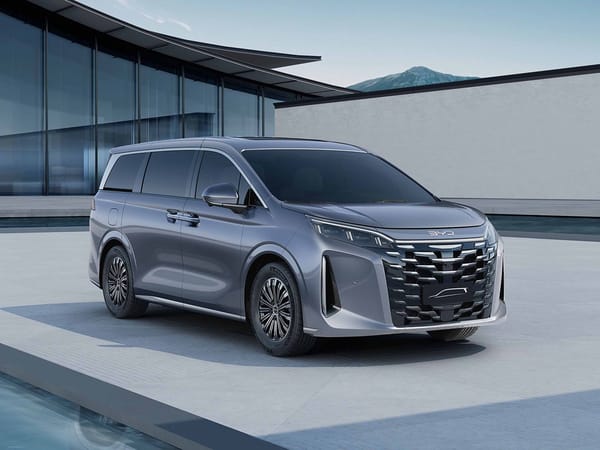
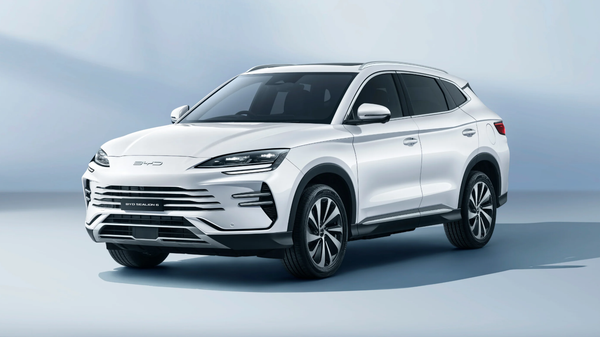
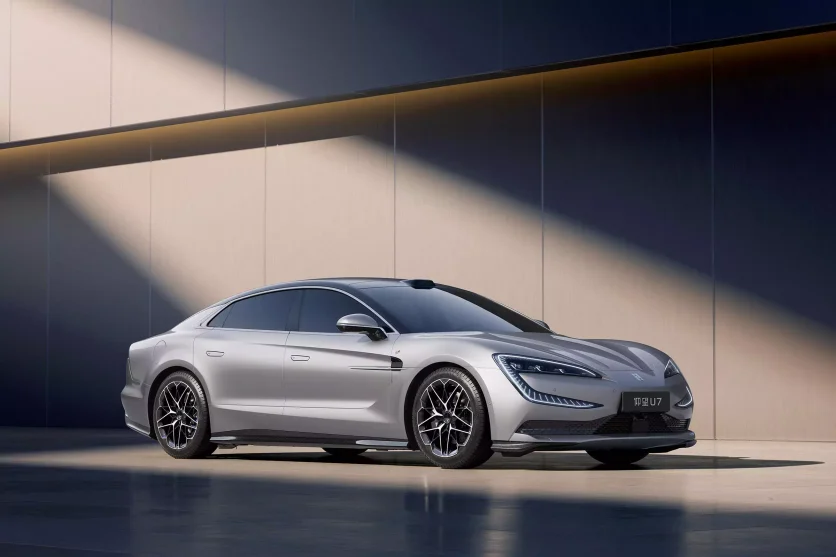
The result: BYD procures up to 70% of components from in-house subsidiaries. Compare that to Tesla's external dependencies and you see why BYD now offers over 50 different passenger models while Tesla offers just 5, of which only 2 can be bought outside the US.
Product Proliferation Through Manufacturing Control
BYD's vehicles share similar platforms that scale up and down across different segments. The e-Platform 3.0 EV platform for example, underpins all of BYD's electric vehicle options sold here in Australia
This isn't just product strategy. It's manufacturing architecture enabling rapid market response.
When all components design and fit together in-house, you compress the timeline from concept to production. You can manufacture at scale with efficiency that external supply chains can't match.
Where Tesla's Moat Actually Sits
Tesla excels in software development and brand recognition. Their Full Self-Driving system represents genuine differentiation and it's the competitive position they're actively pushing.
But software advantage doesn't compensate for hardware iteration speed gaps.
Tesla now runs two entirely separate supply chains. Giga Shanghai relies on over 400 Chinese suppliers for cars serving China, Europe, and Asia. US factories in Fremont and Texas are being firewalled from that Chinese supply base, creating a lack of synergy between supply chain and production facilities.
Tesla's Chief Elon Musk warned of "a rough few quarters" ahead. The company's dependence on raw materials like cobalt and nickel exposes them to geopolitical risks and price fluctuations that vertically integrated competitors using alternative battery chemistries can avoid.
What This Means for Market Structure
BYD sold 1.61 million EVs through Q3 2025, beating Tesla by 388,000 units. This marks their fourth consecutive quarter leading global BEV sales.
By early 2025, BYD's revenue reached approximately $107 billion compared to Tesla's $97.7 billion.
The shift isn't temporary. It's structural.
Vertical integration creates manufacturing moats that brand strength and software capabilities can't easily overcome. When you control batteries, semiconductors, and motors, you control cost structure, iteration speed, and supply chain stability.
Western automakers face dual competition from both established players and Chinese manufacturers who've built different competitive advantages. The question isn't whether BYD's lead continues—the monthly figures already answer that.
The question is what competitive response actually works when your opponent controls their entire production stack.