BYD Reaches 15 Millionth New Energy Vehicle with the DENZA N8L Premium SUV

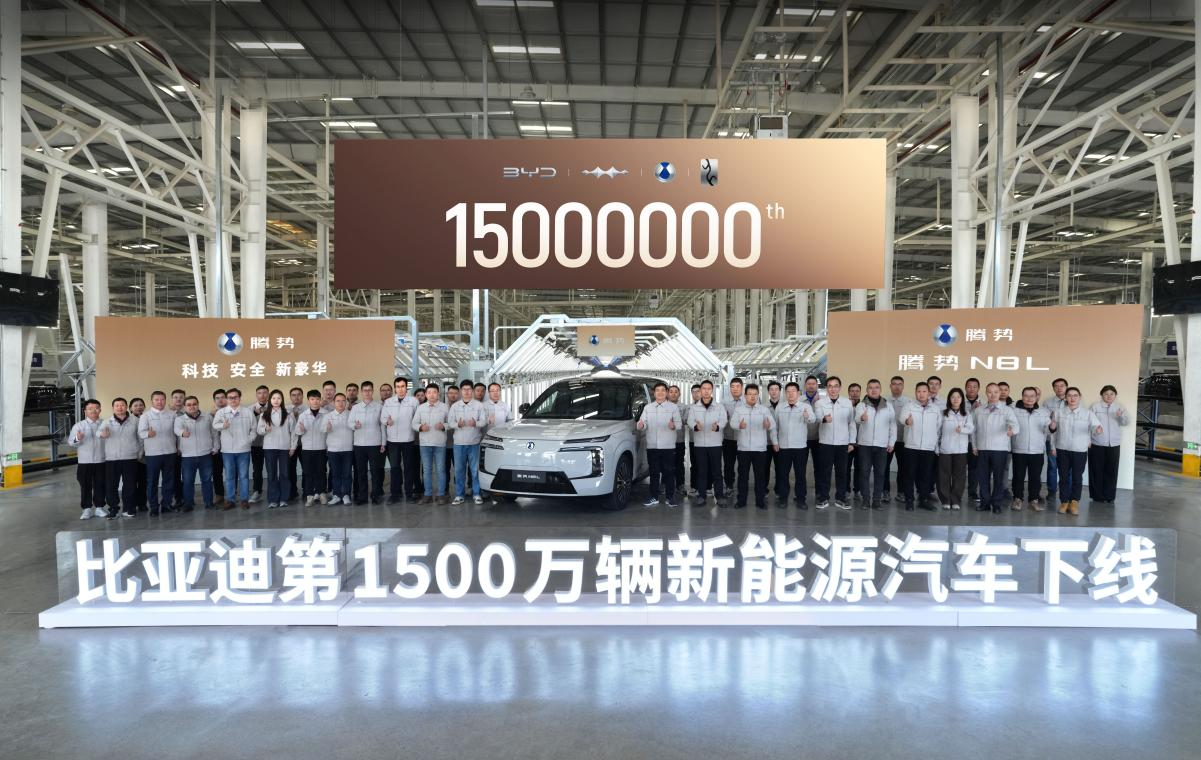
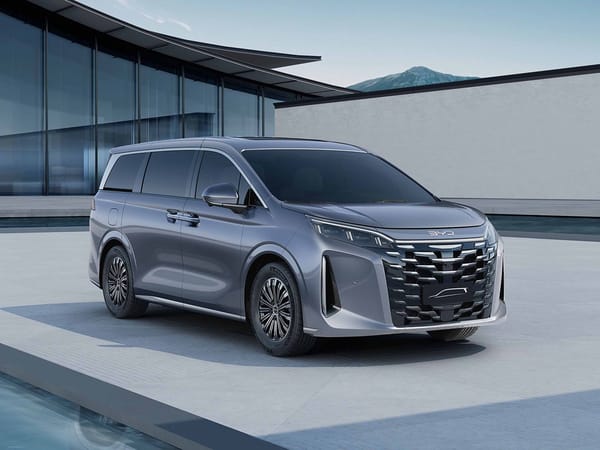
BYD has produced its 15 millionth new energy vehicle, a DENZA N8L luxury plug-in hybrid SUV, marking a significant milestone in the company's accelerated growth trajectory. The milestone vehicle, a six-seat PHEV targeting the family car market with a starting price of RMB 299,800 ($64,000 AUD), rolled off the production line as BYD continues its rapid expansion in both domestic and international markets.
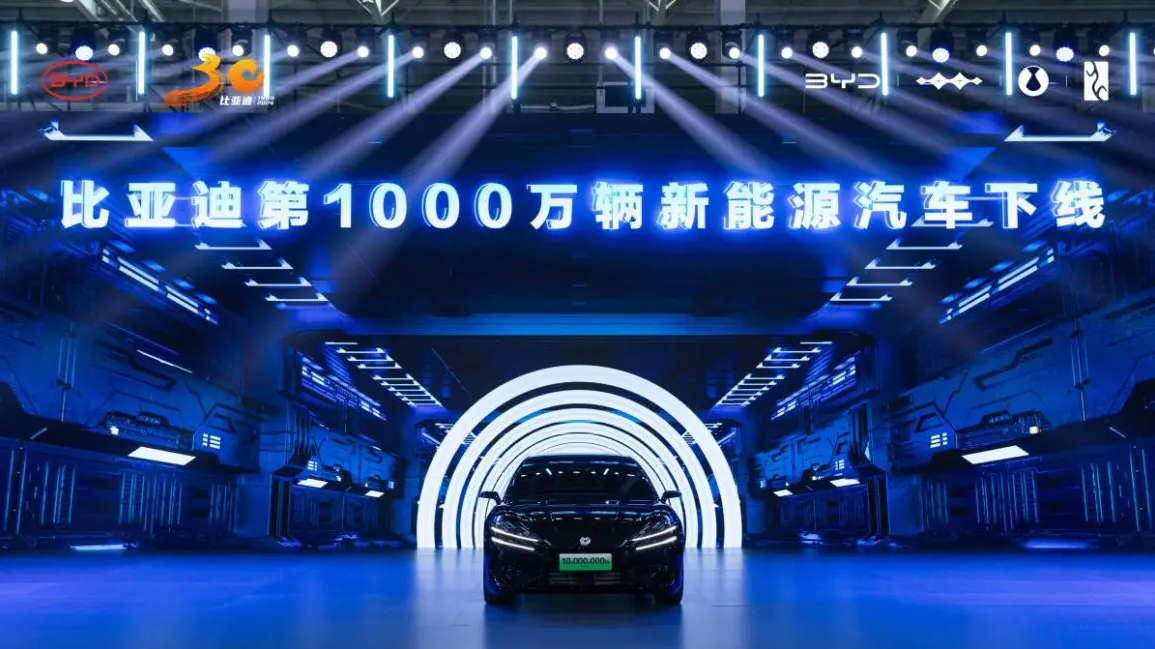
The achievement comes just over a year after the company reached 10 million NEVs in November 2024, demonstrating unprecedented manufacturing velocity in the automotive space.
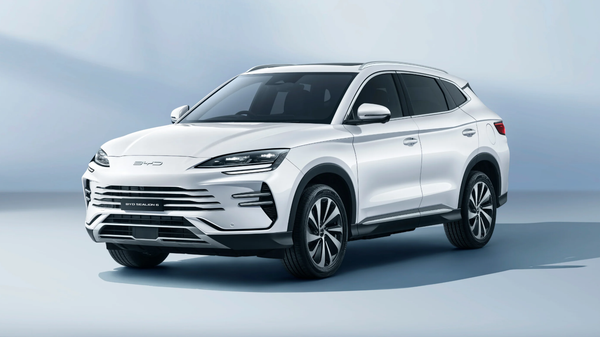
The production milestone signals BYD's strategic positioning across multiple market segments through its multi-brand architecture. While the BYD brand targets mainstream buyers with competitive pricing, including models like the BYD Atto 1 priced under $25,000 AUD, the DENZA sub-brand focuses on the premium luxury segment. The N8L, launched on October 28, emphasises safety, comfort, and agile handling, positioning DENZA as a feature-rich alternative to established luxury automakers.
Beyond EV's First Ever Video Dives into the Complete History of BYD
Exponential Production Acceleration
BYD's production timeline reveals the scale of its manufacturing transformation. Founded in February 1995, the company built its foundation in the battery business before entering the automotive industry in 2003 through the acquisition of Qinchuan Automobile Company based in Xi'an. 5 Years later the company produced the WORLD'S FIRST mass produced NEV model in December 2008 with the BYD F3DM Plug In Hybrid and reached its one-millionth NEV in May 2021, becoming China's first automaker to achieve this milestone in the new energy vehicle sector.
The acceleration from 1 million to 15 million NEVs occurred in just four and a half years. But arguable more significantly, it took BYD just 13 months to go from its 10 millionth vehicle in November 2024 to its 15 millionth vehicle in December 2025, a production rate that truly underscores the company's manufacturing capacity and supply chain coordination capabilities.
Strategic Shift to Full Electrification
In 2016, BYD appointed Wolfgang Egger as Chief of Design, whose influence brought more market-desirable vehicle designs to BYD's product lineup. 5 years later, BYD ceased production and sales of vehicles powered solely by internal combustion engines in March 2022, shifting its entire manufacturing focus to PHEV and BEV models. The combination of improved design language and full commitment to electrification contributed to the company's rapid sales growth in subsequent years.
The company's competitive positioning includes aggressive pricing strategies that have reshaped market dynamics. BYD initiated significant price competition between 2024 and 2025, offering advanced features such as the God's Eye Self-Driving System free on select vehicles.
Research and Development Investment
BYD's technological advancement is supported by substantial research and development expenditure exceeding 220 billion CNY ($47.4 Billion AUD). This investment has produced tangible competitive advantages across battery technology, powertrain systems, and vehicle platforms. The company's vertical integration, stemming from its origins in battery manufacturing, provides supply chain advantages that competitors struggle to replicate without similar historical positioning.
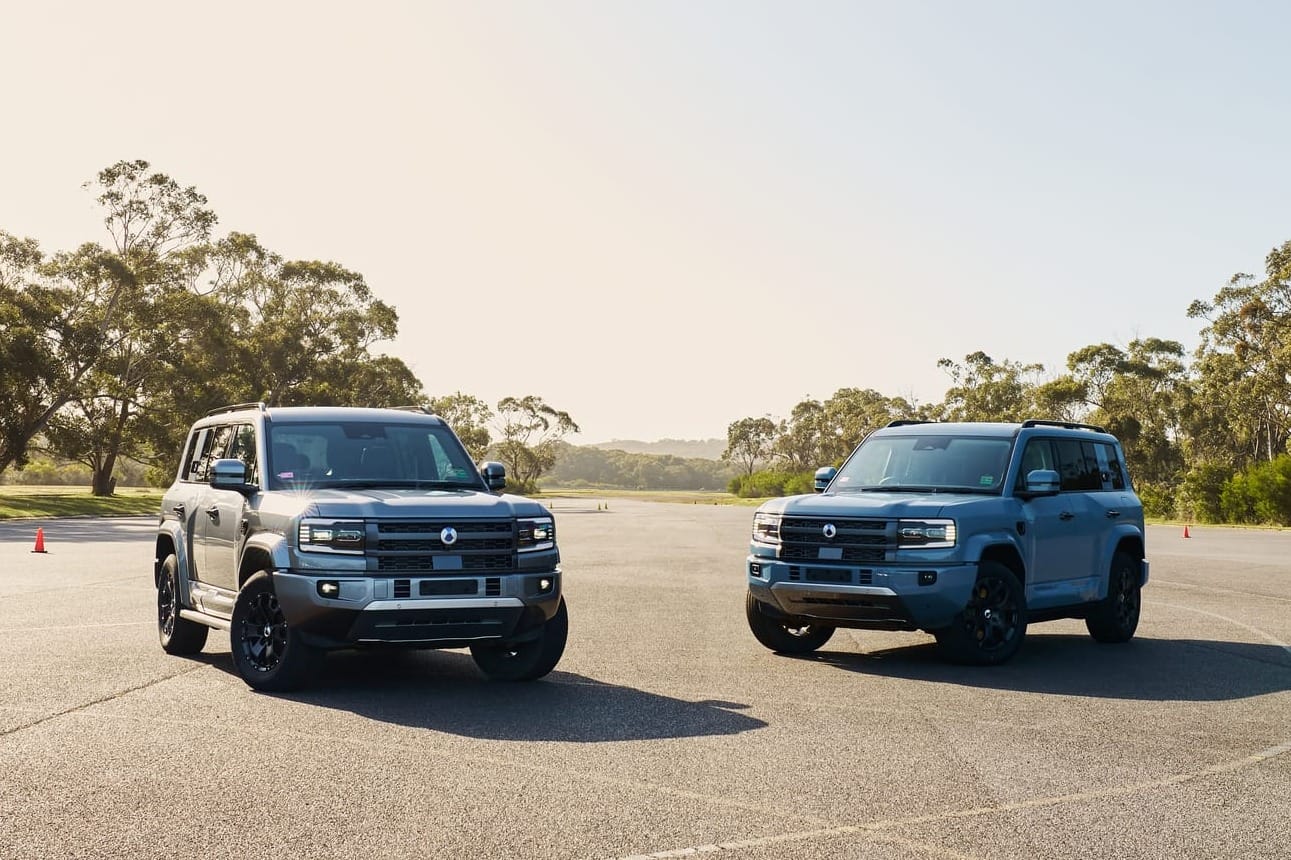
The R&D investment translates directly into product differentiation. DENZA models entering international markets, including the recent Australian launch of the DENZA B5 and B8, feature premium specifications previously unavailable below $100,000 AUD. These include hydraulic suspension systems and integrated refrigerator compartments, delivering luxury features at price points that challenge established premium brands.
International Market Expansion
BYD's overseas sales growth indicates successful international market penetration, particularly in regions like Australia where the company has established significant presence. The DENZA brand's entry into the Australian market represents a strategic test of whether feature-loaded vehicles at competitive pricing can compete against established European and Japanese luxury brands in markets with different buyer expectations than China.
The choice of a DENZA N8L as the 15 millionth milestone vehicle signals where BYD is directing its growth focus. Rather than celebrating the achievement with a mass-market BYD-branded model, the company selected a premium PHEV from its luxury sub-brand, indicating confidence in its multi-tier brand architecture and international expansion strategy. This positioning suggests BYD's next phase of growth targets premium segments in overseas markets, not just volume sales in entry-level categories.
Industry Implications
The 15 million NEV milestone positions BYD as a significant force in the global automotive industry's transition to electrification. The production velocity from 10 million to 15 million units in just over a year demonstrates manufacturing capacity that few automakers can match. Combined with vertical integration in battery production, substantial R&D investment, and strategic brand differentiation, BYD has established competitive advantages that extend beyond simple cost leadership.
The company's success in reaching this milestone reflects broader shifts in automotive manufacturing, where new energy vehicles are gaining market share against traditional internal combustion engine vehicles. BYD's ability to scale production while maintaining brand differentiation across price segments provides a template for how automotive manufacturers can navigate the transition to electrification while serving multiple market tiers simultaneously.