BYD Launches Linghui Sub-Brand to Separate Fleet Operations from Consumer Sales

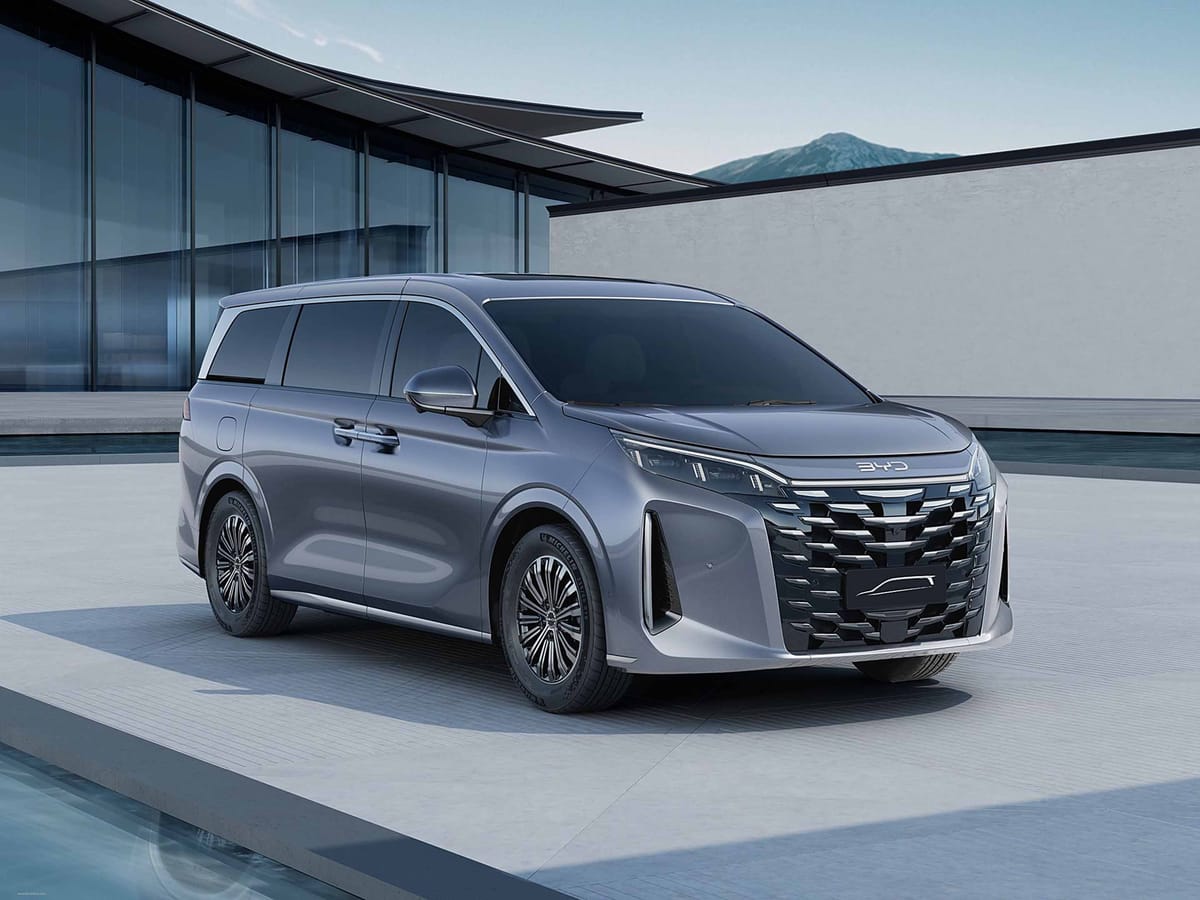
BYD has launched Linghui, a dedicated sub-brand that appears to be targeting China's ride-hailing and commercial fleet market. The initial lineup consists of four rebadged models: the e9 (based on the Han EV), e5 (based on the Qin Plus EV), e7 (based on the e7/Sealion 06 platform), and M9 (based on the Xia). This separation creates a four-tier brand architecture where Linghui handles fleet operations, Dynasty and Ocean serve consumer buyers, and Denza, Yangwang and Fang Cheng Bao occupy the luxury segment.
The move addresses what industry analysts call the "ride-hailing stigma." BYD's solution mirrors Geely's successful Maple brand strategy, which segregates fleet vehicles under a separate badge while protecting the parent brand's consumer appeal.
The Four-Model Lineup
The Linghui e9 serves as the flagship sedan, measuring 4,995mm in length with a 2,920mm wheelbase. It retains the Han EV's spaciousness while offering 135 kW or 150 kW motor options. This model targets premium ride-hailing segments like DiDi Premier, where fleet operators need vehicles that justify higher fares without carrying the Han badge.
The e5 functions as the high-volume workhorse. At 4,805mm length with a 100 kW motor, it's based on the Qin Plus EV, already one of China's most common ride-hailing vehicles due to its affordability and reliability. This model fills the standard ride-hailing segment where cost per kilometer determines fleet purchasing decisions.
Between these two sits the e7, a mid-size sedan measuring 4,780mm in length with 1,900mm width. It shares design language with the Ocean series while creating separation from consumer-facing models. The positioning suggests BYD sees distinct pricing tiers within the fleet market itself.
The M9 stands apart as the only plug-in hybrid in the lineup. This MPV stretches 5,200mm in length with a 3,045mm wheelbase, targeting group transport and business applications. The PHEV powertrain addresses range anxiety in commercial operations where charging infrastructure access varies by region.

Why Brand Separation Matters Now
The timing coincides with BYD's aggressive push into luxury segments. After delivering 4.6 million units in 2025, the company now operates at a scale where fleet association creates measurable brand dilution. Separating fleet vehicles into Linghui ensures that a Han or Tang parked in a private driveway retains its premium positioning, untainted by taxi imagery.
The precedent exists in documented failures. GAC Aion sold about 36,000 vehicles to taxi and leasing markets in 2020, accounting for 60% of that year's total sales. The result: GAC Aion became synonymous with ride-hailing, challenging its consumer appeal. Even attempts to create premium sub-brands struggled. Hyptec, despite featuring gullwing doors and sports car aesthetics, sold only 2,805 units in October.
Neta provides an even starker warning. The brand now faces collapse, with regular sales adversely affected by widespread adoption in ride-hailing fleets. When a manufacturer becomes predominantly associated with commercial operations, private buyers hesitate. They don't want to drive the same vehicle they see operating as a taxi dozens of times per day.
The Operational Reality
Manufacturing complexity stays low because Linghui uses the same platforms and plants as consumer models. The separation exists primarily in branding, distribution channels, and customer-facing positioning. Fleet operators interact with dedicated sales channels optimized for bulk purchasing and commercial service requirements, while private buyers encounter Dynasty and Ocean models through consumer-focused dealerships.
This structure allows BYD to maintain fleet revenue without compromising brand perception. The company invested more than 210 billion yuan in cumulative R&D, creating cost advantages that make aggressive fleet pricing viable. Technology like the second-generation Blade Battery, with energy density up to 220 Wh/kg and 10C ultra-fast charging support, reduces charging downtime for high-utilization commercial vehicles. The fifth-generation DM technology delivers fuel consumption as low as 2.6 liters per 100 kilometers in charge-sustaining mode, cutting operating costs for fleet owners.
These technical advantages matter because economy vehicles hold around 80% market share in ride-hailing services. Users choosing short-to-medium distance rides prefer affordable options. Fleet operators optimize for total cost of ownership across hundreds or thousands of vehicles, making efficiency gains compound rapidly at scale.
Beyond EV Video on the BYD Xia MPV
Market Implications
Linghui's launch signals that brand architecture now determines competitive positioning as much as product specifications. When manufacturers reach BYD's scale, maintaining premium positioning requires engineered separation from commercial channels. The four-tier structure protects different market segments: Linghui absorbs fleet association, Dynasty and Ocean serve mainstream consumers, and Yangwang and Fang Cheng Bao operate in luxury segments where any fleet connection would prove fatal.
This model works for BYD because manufacturing stays consolidated while customer-facing operations separate. Smaller EV manufacturers face a different calculation. They lack the scale to justify parallel distribution networks and dedicated branding infrastructure for fleet operations. The result: they must choose between fleet volume and premium positioning, unable to maintain both simultaneously.
The broader pattern suggests that as the EV market matures, brand segmentation becomes more sophisticated. Manufacturers will increasingly tailor offerings to specific customer groups, managing perception through structural separation rather than marketing messaging alone. Linghui represents observable evidence of this shift, where strategic architecture matters more than product differentiation in determining market success.